

Project Overview
Building a successful educational website requires more than publishing informative articles. It demands a clear understanding of search intent, effective keyword targeting, organized content, and a long-term organic growth strategy.
This case study examines the SEO growth of a mushroom-focused educational website that aimed to become a comprehensive online resource for mushroom species, their characteristics, nutritional properties, traditional uses, and scientific information.
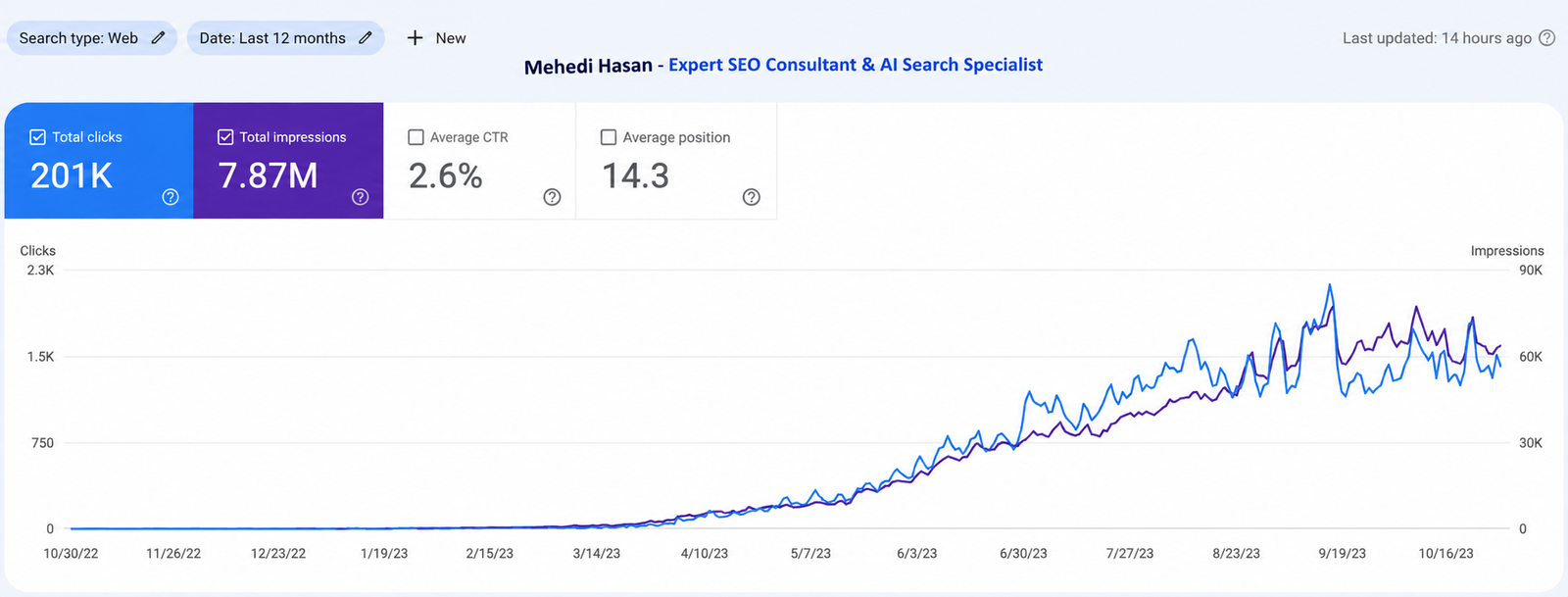
The website initially attracted approximately 1,100 monthly visitors. Following a focused SEO and content development campaign, reported monthly traffic reached 62,800 within seven months.
The project demonstrates how a carefully planned organic search strategy can help a niche educational website expand its reach and attract a larger audience.
1. Project Performance Overview
| Performance Metric | Reported Result |
| Industry | Mushroom Education |
| Project Type | Educational Wiki / Information Website |
| Campaign Duration | 7 Months |
| Initial Monthly Traffic | 1,100 |
| Final Monthly Traffic | 62,800 |
| Traffic Growth | +5,609% |
| Monthly Traffic Increase | +61,700 |
| Growth Multiple | 57.1× |
| SEO Focus | Content Strategy, Keyword Research, On-Page SEO and Link Building |
2. Background and Business Challenges
The client operated an educational platform focused on making mushroom-related knowledge more accessible to readers.
The website’s broader mission was to provide informative content about different mushroom species, including their scientific classification, potential nutritional value, historical significance, and uses across cultures.
Despite operating in a subject area with substantial informational search opportunities, the website struggled to attract a consistent volume of visitors.
Key Challenges
Limited Organic Visibility
The website attracted approximately 1,100 monthly visitors, limiting its ability to reach people actively searching for mushroom-related information.
Complex Keyword Landscape
Mushrooms are commonly identified by both scientific and everyday names. This created a need for keyword targeting that could capture multiple search patterns without sacrificing content accuracy.
Need for Comprehensive Educational Content
The website needed a broad, well-organized content library covering different mushroom varieties, characteristics, uses, and related educational topics.
Building Search Authority
Competing for informational keywords required content quality, topical coverage, relevant references, and a sustainable approach to building the website’s credibility.
3. SEO Campaign Objectives
The central objective was to increase organic search visibility and position the website as a useful resource within the mushroom education niche.
The campaign focused on five strategic goals:
- Increase relevant website traffic through organic search.
- Improve discoverability for common and scientific mushroom names.
- Expand educational content around relevant search queries.
- Strengthen topical relevance and website authority.
- Build a foundation for sustainable search engine performance.
The strategy prioritized long-term organic discoverability rather than relying solely on paid advertising or short-term traffic acquisition.
4. SEO Strategy and Execution
Phase 1: Keyword Research and Search Intent Analysis
Keyword research formed the foundation of the SEO strategy.
The approach recognized that mushroom-related searches often use different terms to describe the same species.
For example, a reader may search for a mushroom using its common name, while another may use its scientific name.
Optimizing content for both naming conventions created opportunities to reach a broader audience.
Strategic Approach
- Identify relevant mushroom-related search terms.
- Consider both scientific and common species names.
- Prioritize high-search-demand keywords with relatively manageable competition.
- Match content topics to informational search intent.
- Gradually expand into more specialized keyword opportunities.
This approach helped establish a keyword framework for growing the website’s educational content.
Phase 2: Educational Content Development
The next priority was building a content library that addressed a broad range of mushroom-related questions.
Rather than relying on a small number of general articles, the strategy focused on developing comprehensive coverage across the niche.
Content Strategy
The editorial approach emphasized:
- Informational articles about mushroom species.
- Educational explanations of mushroom characteristics.
- Content addressing nutritional and traditional uses.
- Topics aligned with relevant keyword opportunities.
- Clear, accessible explanations for readers with different levels of knowledge.
The goal was to create content that could satisfy specific search queries while contributing to the website’s overall topical coverage.
Phase 3: On-Page SEO Optimization
On-page optimization focused on improving the relevance and discoverability of educational pages.
A central element was incorporating both scientific and common mushroom names into relevant content.
This helped align the website’s information with the terminology used by different search audiences.
Core Optimization Focus
- Aligning page content with target search queries.
- Incorporating relevant keyword variations naturally.
- Improving topical relevance.
- Maintaining clear educational explanations.
- Supporting the discoverability of individual mushroom topics.
The objective was to make each page useful to readers while improving its relevance to appropriate search queries.
Phase 4: Website Authority and Link Building
Content expansion was supported by an authority-building strategy.
The original project description identifies link building and ongoing content optimization as contributors to the website’s search performance.
Relevant backlinks can help search engines discover content and evaluate a website’s prominence within its subject area.
The campaign therefore combined content improvements with efforts to strengthen the site’s wider search presence.
Specific referring domains, backlink quantities, acquisition methods, and authority scores were not disclosed in the original case study.
Phase 5: Progressive Keyword Expansion
The campaign followed a staged keyword targeting approach.
Initially, the strategy concentrated on relevant keywords offering comparatively favorable ranking opportunities.
As the website’s content coverage and search presence developed, the campaign expanded toward more specialized and competitive topics.
This allowed the SEO strategy to evolve alongside the website’s growth.
5. SEO Campaign Results

The published results indicate substantial website traffic growth during the seven-month campaign.
Traffic Performance
Initial Monthly Traffic: 1,100 visits
Final Monthly Traffic: 62,800 visits
Absolute Monthly Increase: 61,700 visits
Percentage Growth: 5,609%
Traffic Growth Multiple: Approximately 57.1 times the initial level.
The reported increase represents a significant improvement in the website’s ability to attract visitors.
Organic Search Visibility
The case study attributes the growth to a combination of keyword targeting, educational content expansion, ongoing optimization, and link building.
The strategy broadened the website’s coverage of mushroom-related topics and helped it reach a wider informational audience.
However, the original report does not provide individual keyword positions, Google Search Console impressions, click-through rates, or a verified breakdown of organic versus other traffic sources.
Website Authority
The published account also reports improvements in domain authority and competitive keyword visibility.
These improvements are described qualitatively. No before-and-after authority scores or detailed ranking reports were provided.
6. Key Strategic Insights
Targeting Multiple Keyword Variations Expands Search Opportunities
Optimizing educational content around both scientific and common terminology can help a website serve users with different levels of subject knowledge.
Comprehensive Content Supports Topical Relevance
Building a connected library of useful educational resources can create more opportunities to appear in relevant searches.
Keyword Prioritization Helps Guide Early Growth
Starting with attainable keyword opportunities can provide a practical foundation before expanding into more competitive search topics.
Content and Authority Development Work Together
The campaign combined educational content creation with link building and continuous optimization rather than treating these as isolated activities.
Sustainable SEO Requires a Long-Term Approach
The seven-month campaign illustrates the value of consistent execution, topic expansion, and continued content improvement.
7. Project Impact
The most measurable outcome was the reported increase in monthly website traffic.
Beyond the traffic figures, the project aimed to make mushroom education more accessible by organizing specialized information around the questions people search for online.
The website’s expanded search presence created more opportunities for readers to discover educational content about mushrooms.
The available evidence does not establish how the growth affected revenue, conversions, user retention, or other business outcomes.
8. Conclusion
This mushroom education SEO campaign illustrates how a focused keyword strategy, comprehensive educational content, on-page optimization, and authority-building activities can contribute to significant website growth.
Over seven months, the website reportedly increased its monthly traffic from 1,100 to 62,800 visits, representing approximately 5,609% growth.
The central lesson is that niche educational websites can expand their organic reach by understanding audience search behavior, organizing content around relevant topics, and consistently improving search visibility.