

Executive Summary
A detailed SEO performance review revealed a major opportunity for one of our clients: competitors were consistently capturing Google’s featured snippets for commercially valuable search queries.
These prominent search positions were giving competing websites greater visibility at the exact moment potential customers were searching for answers.
Mehadi Hasan developed a focused featured-snippet optimization strategy designed to identify why competitors were winning these positions, restructure the client’s existing content, and make individual pages better suited for Google’s answer-focused search results.
The result was significant.
Within two weeks, the client secured approximately 90% of the featured snippets we specifically targeted.
The improvement increased the client’s visibility in Google Search and contributed to stronger website traffic and commercial performance.
The Challenge
The client’s website already contained useful content and ranked for relevant search terms. However, an important problem became apparent during the SEO analysis.
Competitors were appearing above the client’s traditional organic listings through Google Featured Snippets.
A featured snippet is an extracted answer that Google may display prominently near the top of a search results page. Depending on the query, the result can appear as:
- A short paragraph
- A numbered list
- A bulleted list
- A table
- A definition or direct answer
For the client, losing these positions meant losing valuable search visibility even when their pages were already performing reasonably well organically.
The objective therefore became clear:
Identify featured-snippet opportunities, understand why competitors were winning them, and optimize the client’s pages specifically for those search-result formats.
Opportunity Analysis
Rather than immediately rewriting large amounts of content, Mehadi Hasan began by studying the search results.
The analysis focused on questions such as:
Which keywords were already generating featured snippets?
Keywords with an existing snippet presented the clearest opportunities because Google had already demonstrated that it wanted to show a concise answer for those searches.
Which competitors currently owned those snippets?
The pages occupying the snippet positions were examined to understand how they answered the query.
What type of answer was Google selecting?
Featured snippets can take different formats. Understanding whether Google preferred a paragraph, list, definition, process, or another structure helped determine how the client’s content should be presented.
Was the client’s page already competitive?
Pages already ranking well represented particularly valuable opportunities because Google was already treating them as relevant resources.
This process allowed the campaign to focus on opportunities where targeted content improvements had the greatest potential impact.
The Strategy
1. Competitor Featured-Snippet Analysis
The first stage involved examining competing pages that already occupied the desired featured snippets.
Instead of simply copying their content structure, we studied:
- How directly they answered the search query
- Where the answer appeared on the page
- How headings were structured
- Whether answers were presented as paragraphs or lists
- How much information was included before and after the direct answer
- How thoroughly the page covered the broader topic
The goal was to understand why Google considered those sections suitable for extraction.
From there, opportunities were identified where the client’s answer could become clearer, more complete, or easier for Google to interpret.
2. Search Intent Alignment
Winning a featured snippet requires more than including the target keyword.
The content must answer the specific question behind the search.
For every target query, the content was therefore reviewed according to its search intent.
Where users were searching for a definition, the page provided a concise definition.
Where the query implied a process, information was organized into clear steps.
Where users were comparing options, information was structured to make those differences easier to understand.
This reduced unnecessary information between the searcher’s question and the answer.
3. Answer-First Content Optimization
One of the major changes involved improving how quickly the pages answered important questions.
Instead of forcing visitors and search engines to interpret several paragraphs before finding the answer, important sections were structured around a straightforward pattern:
Question or descriptive heading
A concise answer immediately below the heading.
Supporting context
Additional explanation, examples, evidence, or details following the direct answer.
This structure served two purposes.
First, it improved usability because visitors could find information faster.
Second, it created clearly defined answer passages that search engines could more easily evaluate for featured-snippet placement.
4. Heading and Content Structure Improvements
Existing content was reorganized where appropriate using descriptive headings and logical subsections.
Rather than treating each page as one continuous article, content was separated into distinct answers addressing specific user questions.
The structure typically followed a hierarchy such as:
H1: Main topic
H2: Major questions or subtopics
H3: Supporting questions and explanations
This made each page easier to scan and created multiple potential snippet opportunities from a single piece of content.
5. Snippet-Format Optimization
The answer format was aligned with the format Google was already displaying for individual queries.
For example:
Paragraph Snippets
Questions requiring definitions or explanations were answered with concise introductory paragraphs followed by deeper supporting information.
List Snippets
Process-based and step-oriented queries were formatted as properly ordered lists.
Bulleted Snippets
Collections, features, benefits, requirements, or examples were organized into clean bullet points where appropriate.
The purpose was not to manipulate Google into displaying a specific format. It was to present information in the clearest format for both users and search engines.
6. Improving Existing Content Instead of Starting From Zero
An important part of the strategy was identifying pages that already had search authority.
Instead of creating unnecessary new articles for every featured-snippet keyword, existing pages were optimized whenever possible.
This approach allowed the campaign to take advantage of pages that already had:
- Search rankings
- Existing backlinks
- Topical relevance
- Historical performance
- Established authority
Targeted improvements could therefore produce results faster than waiting for entirely new pages to establish themselves.
Results
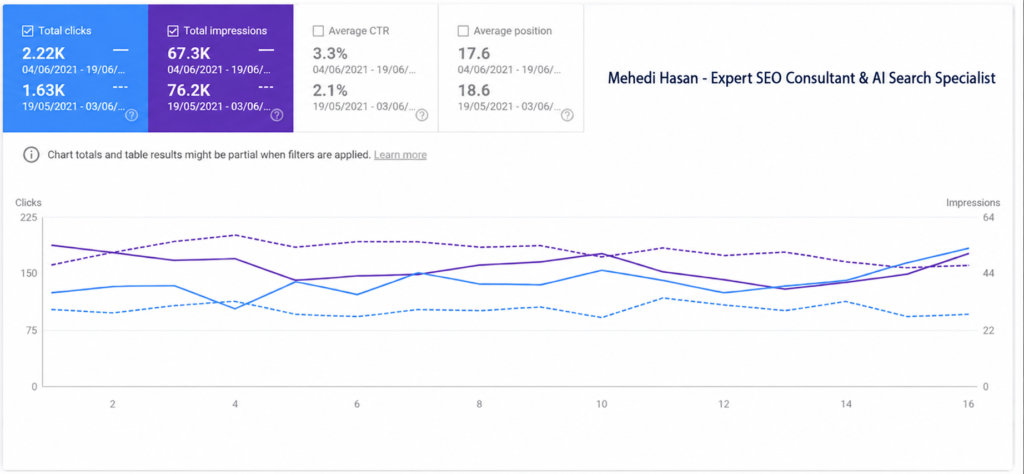
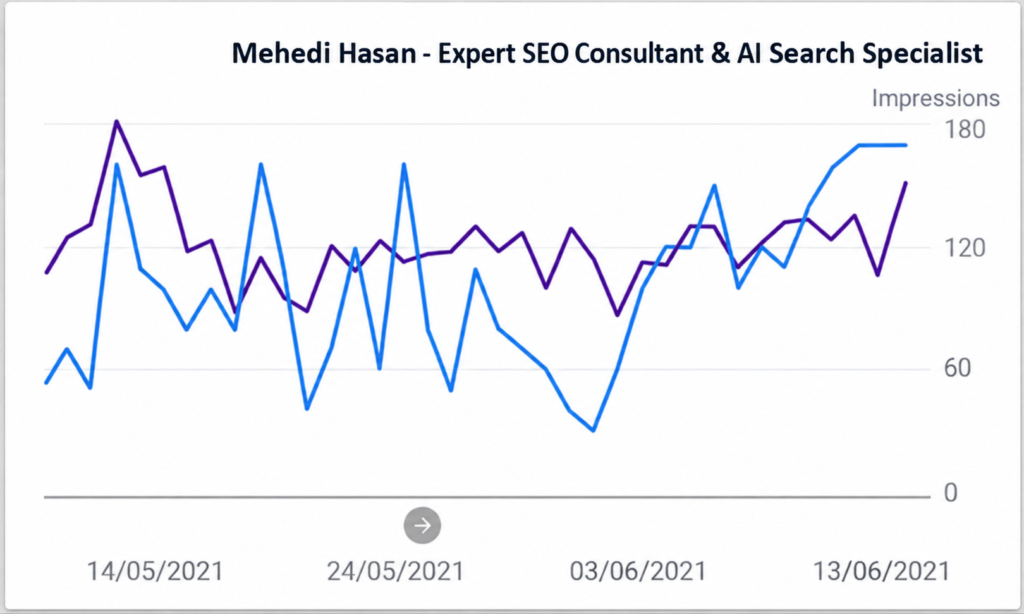
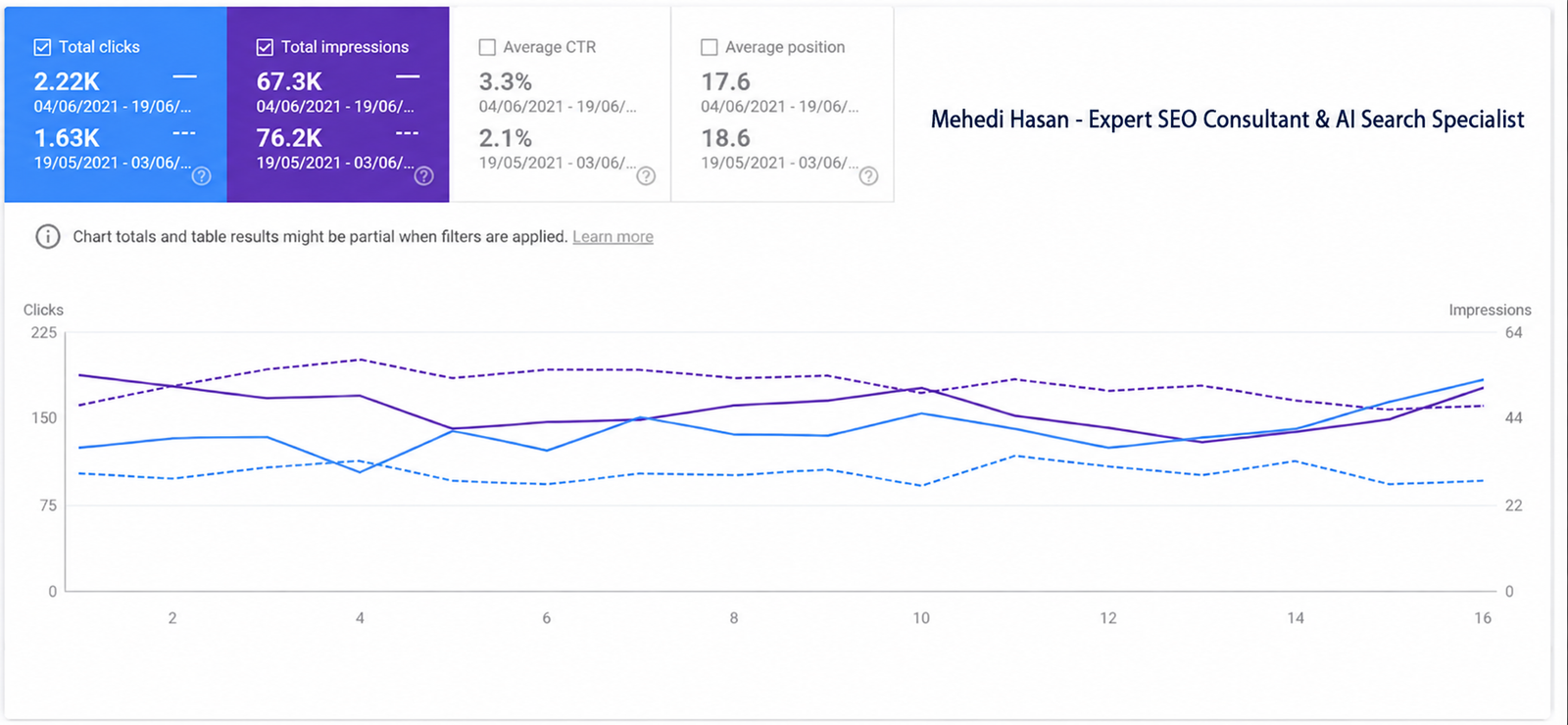
The optimization campaign produced results quickly.
90% of Targeted Featured Snippets Captured
Within approximately two weeks, the client reportedly captured 90% of the featured snippets specifically targeted during the campaign.
This was the clearest measurable outcome of the strategy.
Rather than trying to optimize hundreds of unrelated search terms simultaneously, the campaign concentrated on high-opportunity queries where the client’s existing authority could be combined with better content formatting and stronger answers.
Increased Search Visibility
Winning featured snippets gave the client’s pages considerably greater prominence within relevant Google search results.
Instead of competing solely through standard organic listings, the website gained visibility within Google’s answer-focused search features.
For targeted queries, this created an additional opportunity to attract attention before users reached conventional search listings.
Increased Website Traffic
The source campaign reported increased website visits after acquiring more featured snippets.
Greater SERP visibility meant that more searchers encountered the client’s content during relevant searches.
The campaign therefore demonstrated how optimizing existing rankings for enhanced search features can create additional traffic opportunities without relying exclusively on improving traditional ranking positions.
More Website Sessions
The campaign also reported growth in website sessions.
More organic exposure generated more opportunities for users to enter the website and interact with product, service, and informational pages.
This is important because the ultimate objective of SEO was not simply to win a search feature. It was to generate more qualified visits capable of contributing to commercial performance.
Higher Average Order Value
According to the campaign results, average order value also improved following the increased search visibility and traffic.
The publicly available case study does not provide the exact percentage increase, so no unsupported figure has been included here.
However, the reported improvement indicates that the gains were not limited to visibility metrics.
Revenue Growth
The campaign ultimately reported an increase in revenue.
This is particularly important when evaluating SEO performance.
Featured snippets, rankings, impressions, and clicks are useful indicators, but the commercial value of SEO ultimately depends on whether greater search visibility contributes to meaningful business outcomes.
In this case, the improvement in featured-snippet visibility was accompanied by reported improvements further down the conversion funnel.
Results at a Glance
| Metric | Result |
|---|---|
| Featured Snippet Win Rate | Approximately 90% of targeted snippets |
| Time to Initial Results | Approximately 4 weeks |
| Organic Visibility | Increased |
| Website Traffic | Increased |
| Website Sessions | Increased |
| Average Order Value | Increased |
| Revenue | Increased |
Exact percentage or monetary changes for traffic, sessions, average order value, and revenue were not published in the original campaign data.
Why the Strategy Worked
The campaign succeeded because it focused on improving pages that already demonstrated relevance rather than treating featured snippets as an isolated SEO trick.
Several principles contributed to the outcome.
Existing Ranking Authority
The client already had content relevant to the target searches. Optimization built on that existing foundation.
Competitor Research
Instead of guessing what Google wanted, current search results were analyzed to understand which content structures Google was already rewarding.
Precise Search Intent
Each target query was treated according to the specific information the searcher wanted.
Clear Answer Formatting
Important questions received direct, concise answers supported by more detailed information.
Structured Content
Headings, lists, paragraphs, and supporting sections helped both users and search engines understand the information hierarchy.
Focused Execution
The campaign concentrated resources on realistic featured-snippet opportunities rather than optimizing indiscriminately.
The Business Impact
The most important lesson from this campaign is that SEO improvements should connect search visibility with business performance.
Capturing a featured snippet is valuable, but it is not the final objective.
The real progression is:
Better Content Structure
↓
Greater Search Visibility
↓
More Organic Visits
↓
More Qualified Website Sessions
↓
More Conversion Opportunities
↓
Revenue Growth
This approach turned featured-snippet optimization into part of a broader organic growth strategy rather than treating it as a vanity metric.
Long-Term Value
The campaign was designed to provide value beyond the initial two-week improvement.
Unlike temporary advertising exposure, improvements made to existing website content can continue influencing search performance after the initial optimization work is complete.
Clearer information architecture, stronger answers, improved headings, and better content organization can also improve:
- User experience
- Search engine understanding
- Content accessibility
- Engagement
- Organic visibility across related queries
The optimized pages therefore became stronger search assets beyond the featured snippets originally targeted.
Key Takeaways
This case study demonstrates several practical principles for websites pursuing featured snippets.
Target realistic opportunities.
Pages already ranking competitively can often represent stronger snippet opportunities than completely new pages.
Study the SERP before editing content.
Google’s current results provide important clues about the format and type of answer being rewarded.
Answer the question directly.
Do not bury the primary answer beneath unnecessary introductions.
Match the content format to the query.
Definitions, lists, steps, comparisons, and explanatory paragraphs should be structured differently.
Improve existing assets strategically.
A targeted update to an authoritative page can sometimes produce results faster than publishing another article.
Measure beyond rankings.
Traffic, engagement, conversions, average order value, and revenue provide a more meaningful view of SEO performance.
Conclusion
The campaign identified featured snippets as an underused opportunity within the client’s existing organic search strategy.
Through competitor analysis, search-intent research, answer-focused content optimization, improved information structure, and targeted updates to existing pages, Mehadi Hasan helped the client capture approximately 90% of the featured snippets targeted during the campaign within two weeks.
The campaign also reported improvements in organic traffic, sessions, average order value, and revenue.
More importantly, the work demonstrated that featured-snippet optimization is most effective when it is treated as part of a wider SEO strategy focused on both search visibility and measurable business outcomes.